
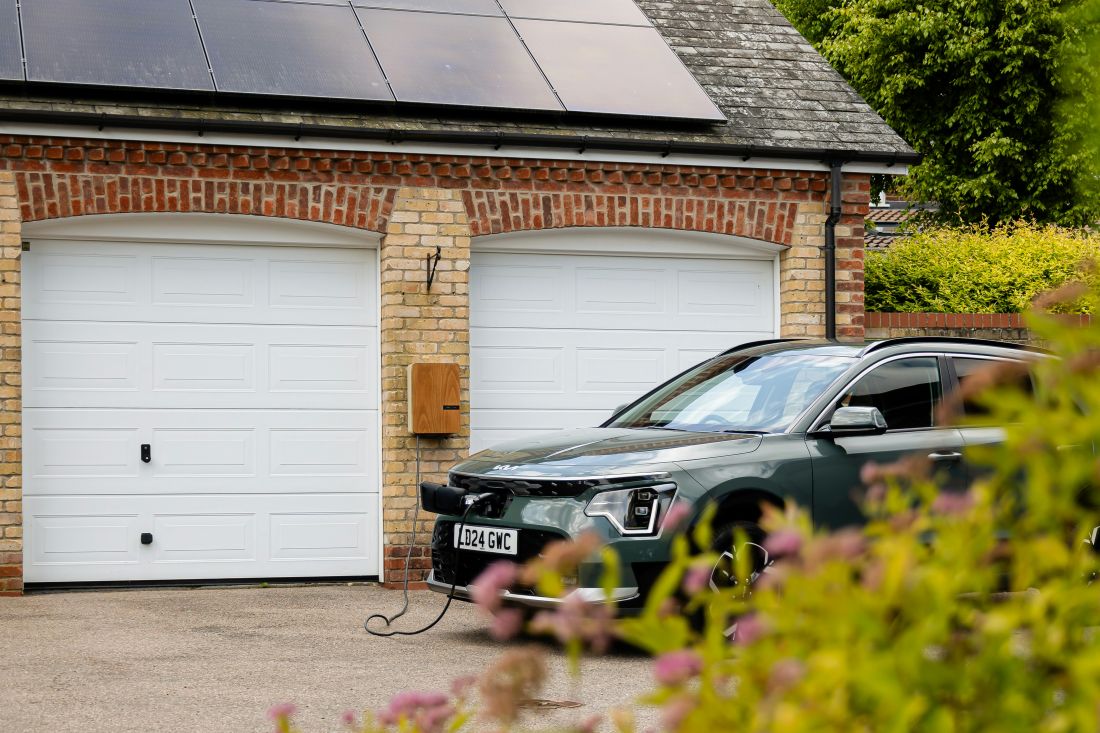
Are Electric Cars Still Worth It in 2025? OurCar’s Guide to EVs
At OurCar, your trusted car dealer in Lincolnshire, we know choosing the right vehicle is a big decision. With electric vehicles (EVs) continuing to make headlines, many drivers are wondering: are EVs still worth it in 2025? We’re here to provide a balanced look at EVs, helping you decide what’s best for your driving needs without pushing any agenda. Let’s break it down.
The Case for EVs in 2025
EVs have come a long way, and there are some clear advantages to consider:
- Running Costs: Electricity is generally cheaper than petrol or diesel per mile, especially if you charge at home with off-peak rates. For example, charging a typical EV could cost around 4-7p per mile, compared to 10-15p for a petrol car, depending on fuel prices.
- Environmental Impact: EVs produce zero emissions, which can appeal if you’re looking to reduce your carbon footprint.
- Performance and Tech: EVs offer instant torque for quick acceleration, and many come packed with cutting-edge tech.
- Charging Network Growth: The UK’s charging infrastructure has improved, with over 50,000 public chargers by mid-2024, and more planned for 2025. Motorway services and urban areas are better equipped than ever.
The Challenges of EVs
While EVs have their perks, there are hurdles that might make you think twice:
- Upfront Cost: EVs remain pricier than their petrol or diesel counterparts. A new electric hatchback might start at £30,000, while a comparable petrol model could be £22,000-£25,000. Used EVs are more affordable, but battery degradation can be a concern.
- Range Anxiety: Though ranges have improved (many EVs now offer 200-300 miles). Cold weather can also cut range by up to 40%.
- Charging Time: Home charging takes hours (typically 8-12 for a full charge), and even fast chargers (50-150kW) need 20-40 minutes for a decent top-up. Compare that to five minutes at a petrol pump.
- Infrastructure Gaps: While urban areas are well-served, rural spots like the Lincolnshire Wolds can feel like charging deserts. If your daily drive involves country roads, planning is key.
- Depreciation: EVs tend to lose value faster than petrol or diesel cars, partly due to rapid tech advancements and uncertainty around battery life.
How EVs Fit Lincolnshire Lifestyles
Lincolnshire’s mix of market towns, rural roads, and longer commutes shapes how practical EVs are. If you’re based in Lincoln or Grantham with a short commute and off-street parking for home charging, an EV could save you money over time. Models like the Nissan Leaf or MG4 are affordable options for city driving.
But if you’re regularly tackling the A15 or A17, hauling loads, or driving to remote areas, a petrol or diesel vehicle might still be the better bet. Their reliability, quick refueling, and lower upfront costs suit the demands of rural life. Hybrids could also be a middle ground, offering some electric efficiency without the full commitment.
The Bigger Picture in 2025
The government’s push for net zero means EVs are here to stay, with the 2035 ban on new petrol and diesel sales looming (hybrids get a slight reprieve). But 2025 brings changes: the zero-emission vehicle mandate requires manufacturers to sell a percentage of EVs, which could limit petrol/diesel options or hike their prices. Meanwhile, EV grants have dwindled, and electricity costs are rising, narrowing the savings gap.
At OurCar, we’ve seen steady demand for petrol and diesel vehicles because they fit the needs of most Lincolnshire drivers—reliable, versatile, and cost-effective upfront. That said, we’re not blind to EVs’ appeal for some. It’s about finding what works for you.
OurCar’s Verdict
So, are EVs worth it in 2025? It depends. If low running costs and green credentials matter most, and you’ve got easy access to charging, an EV could be a smart choice. But for many, especially in Lincolnshire’s countryside, petrol and diesel vehicles remain the practical, affordable option for now. Their proven performance, quick refueling, and lower purchase price keep them ahead for most of our customers.
At OurCar, we’re here to help you navigate the options. Our stock focuses on quality petrol and diesel cars, from nippy hatchbacks to rugged SUVs, all suited to Lincolnshire’s roads. Fancy exploring your choices? Pop into our dealership or browse online—we’ll find the right car for your life, no pressure, no fuss.
Disclaimer: Prices and stats are based on market trends as of early 2025. Always check current costs and infrastructure before deciding.
References:-
- GOV.UK. (2024) Electric vehicles: costs, charging and infrastructure. Available at: https://www.gov.uk/guidance/electric-vehicles-costs-charging-and-infrastructure
- Zapmap. (2024) EV charging statistics 2025. Available at: https://www.zapmap.com/statistics/
- House of Commons Library. (2024) Electric vehicles and infrastructure. Available at: https://commonslibrary.parliament.uk/research-briefings/cbp-7480/
- RAC. (2025) The costs of running an electric car. Available at: https://www.rac.co.uk/drive/advice/electric-cars/running-costs/
- North Lincolnshire Council. (2024) Electric vehicle chargepoint strategy & plan 2024-2030. Available at: https://www.northlincs.gov.uk/wp-content/uploads/2024/10/Electric-Vehicle-Chargepoint-Strategy-and-Plan-2024-2030.pdf
- Society of Motor Manufacturers and Traders. (2024) Market reports. Available at: https://www.smmt.co.uk/vehicle-data/
- Auto Express. (2025) Used electric cars: should you buy one? Available at: https://www.autoexpress.co.uk/electric-cars/used