
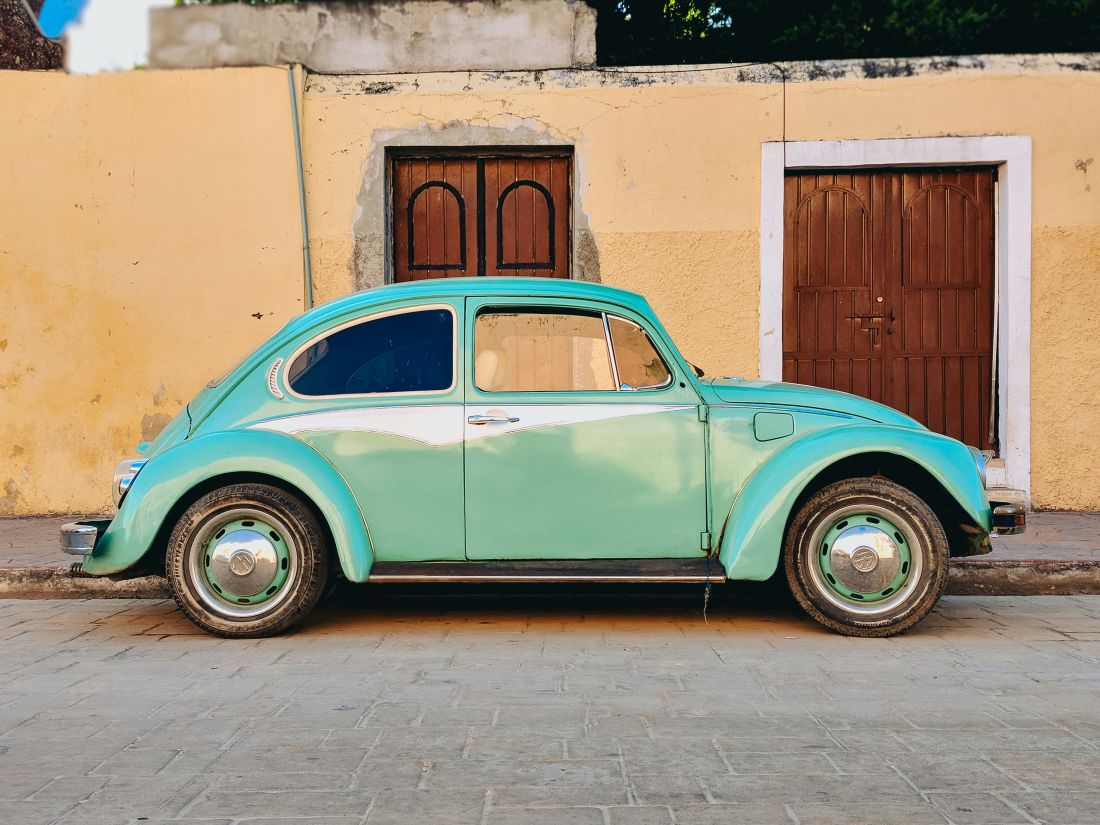
Driving Resilience: The Demand for Older Models in Cars
Driving Resilience: The Demand for Older Models in Cars
In the fast-paced world of automotive innovation, newer models boasting cutting-edge technology and sleek designs often steal the spotlight. However, amidst the clamor for the latest features and aesthetics, there exists a steadfast demand for older models, particularly among a demographic that appreciates resilience over rapid evolution: older car enthusiasts.
These enthusiasts, often drawn to the simplicity and durability of classic automobiles, are not merely nostalgic for the past; they're proponents of resilience in automotive design. They cherish cars that withstand the test of time, possessing an enduring charm and reliability that modern counterparts sometimes struggle to match. This demand for older models, especially among those seeking a connection to automotive history, underscores a profound appreciation for resilience in the face of ever-changing trends.
So, what makes these older models resilient, and why does their demand persist?
Mechanical Simplicity: Unlike their modern counterparts laden with complex electronic systems, older cars often boast simpler mechanical designs. This simplicity not only makes them easier to maintain but also contributes to their resilience. With fewer components prone to failure, these vehicles can endure for decades with proper care and attention.
Durability: Built in an era when planned obsolescence wasn't as prevalent, many older models were crafted with durability in mind. From sturdy steel frames to robust engines, these cars were engineered to withstand the rigors of daily use and the passage of time. As a result, even decades after rolling off the assembly line, they can still be found cruising the streets, a testament to their enduring resilience.
Customization Potential: Another factor driving the demand for older models is their customization potential. Enthusiasts relish the opportunity to personalize their vehicles, whether it's through engine swaps, custom paint jobs, or retrofitted modern amenities. This flexibility allows owners to tailor their cars to suit their preferences while preserving the timeless appeal of the original design.
Emotional Attachment: For many aficionados, the allure of older models extends beyond their mechanical attributes. These cars hold sentimental value, evoking fond memories of bygone eras and simpler times. Whether it's reminiscing about a first car or admiring the craftsmanship of a classic collectible, the emotional attachment to these vehicles fuels the demand for their continued preservation and enjoyment.
Cultural Significance: Certain older models have attained iconic status, becoming cultural touchstones that transcend generations. From the timeless elegance of a vintage Mercedes-Benz to the rugged charm of a classic Jeep Wrangler, these cars occupy a special place in automotive history. Their enduring popularity reflects not only their intrinsic appeal but also their cultural significance, ensuring that they remain sought after by enthusiasts and collectors alike.
In conclusion, the demand for older models in cars is a testament to the enduring appeal of resilience in automotive design. While newer models may dazzle with their advanced features and futuristic aesthetics, there will always be a segment of the population drawn to the timeless charm and durability of classic automobiles. Whether it's a vintage muscle car roaring down the highway or a meticulously restored classic sedan gleaming under the sun, these older models continue to captivate and inspire, reminding us of the enduring value of resilience in an ever-changing world.