
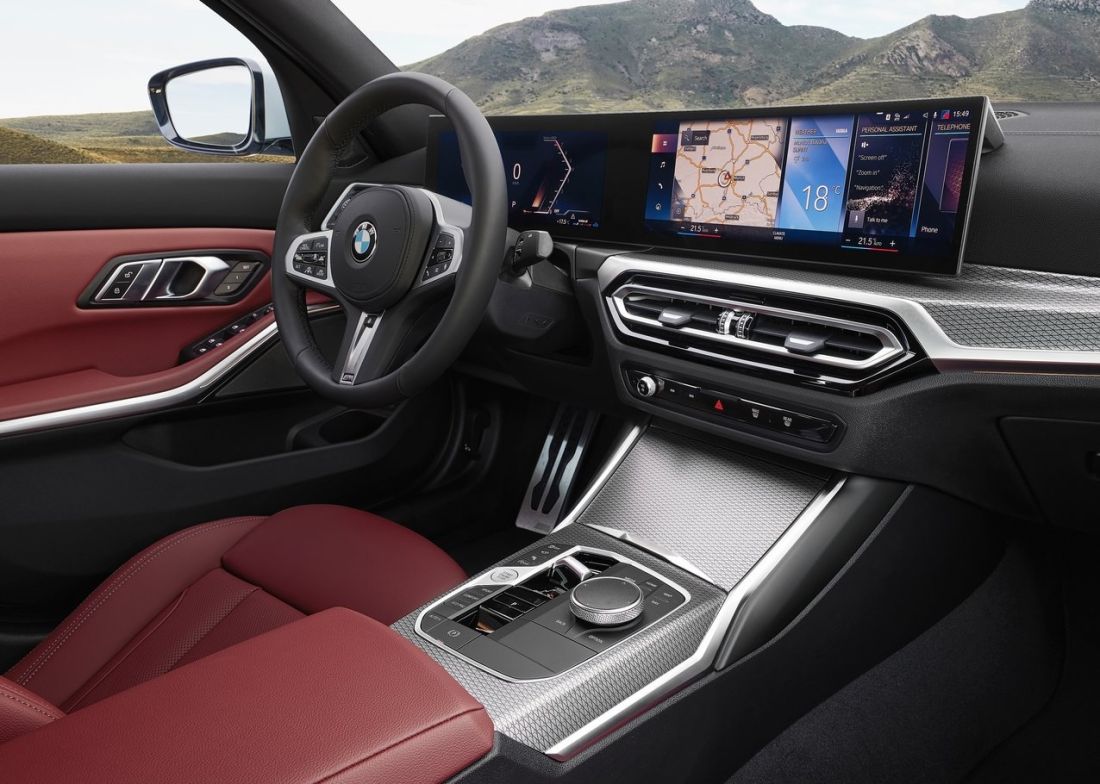
Mastering the Art of Driving Automatic Cars
A significant portion of drivers today have never experienced the convenience of automatic vehicles, having been accustomed to manual cars throughout their driving journey. Automatic cars, however, have made substantial strides in recent years, with virtually every new vehicle offering an automatic transmission. These vehicles eliminate the need for constant gear shifting, making driving simpler and more enjoyable. As automatic cars continue to rise in popularity, particularly with the surge of electric vehicles, understanding the difference between manual and automatic driving becomes crucial.
Table of Contents
- Understanding Automatic Cars
- How do Automatic Cars Function?
- Various Types of Automatic Cars
- Driving an Automatic Car: A Step-By-Step Guide
- Are All Electric Cars Automatic?
- Frequently Asked Questions
Understanding Automatic Cars

Automatic cars have seen a significant surge in popularity due to their convenience and the technological advancements that underpin them. Drivers who have only navigated manual cars may find the concept of automatic cars intriguing yet unfamiliar, mainly due to the different automatic options available. This guide aims to demystify the operation of automatic cars, exploring their various types and providing a step-by-step guide on how to drive them effectively.
How Automatic Cars Function
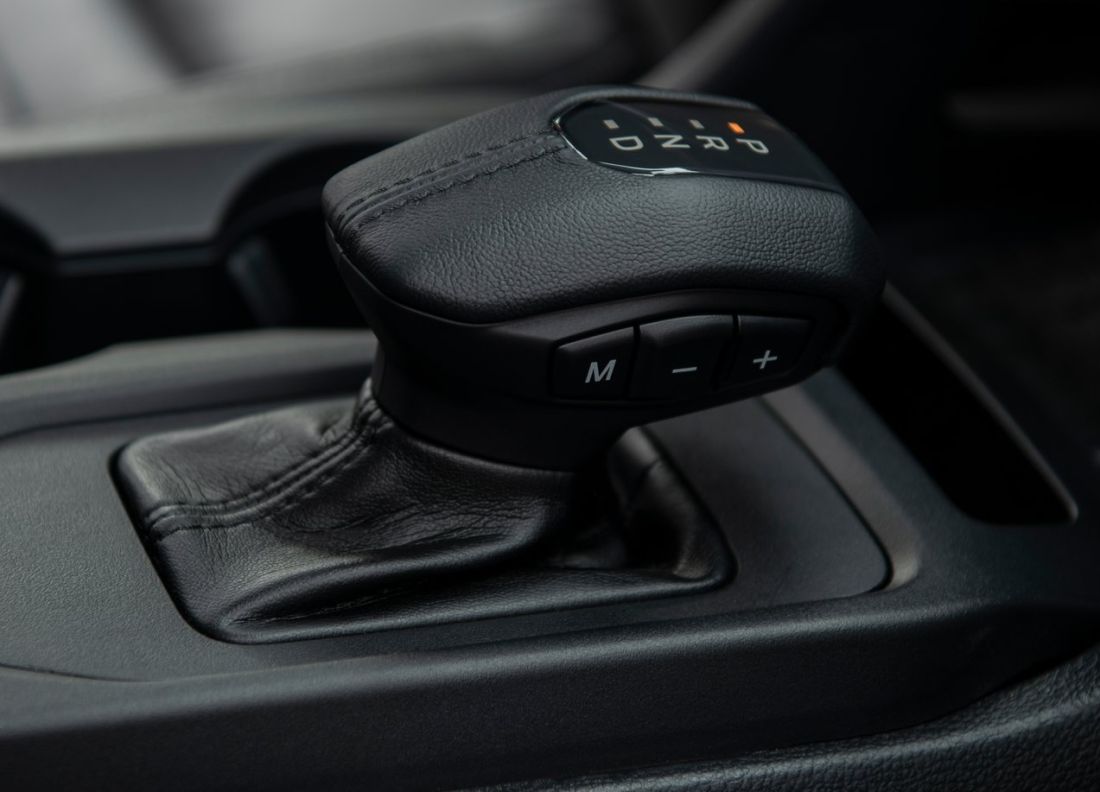
Contrary to common misconceptions, automatic cars do have gear systems, albeit functioning differently from manual ones. In an automatic car, the gearbox handles the gear shifting on your behalf, freeing you from the task of manually selecting gears. The automatic gearbox comes with several basic modes that dictate its operation. These include:
- Park (P): This mode locks the transmission, preventing the car from rolling away if parked on an incline.
- Drive (D): Engaging this mode allows the car to move forward.
- Neutral (N): This mode disengages the drive but does not stop the car from rolling. It's useful when stuck in traffic, provided the handbrake is applied.
- Reverse (R): As the name suggests, this mode engages the reverse gear of the car.
Modern automatic cars also offer a manual mode, granting drivers more control over their gear selection in certain driving situations. If your car has this function, you'll typically find paddles on the steering wheel or gearstick levers for manual shifting.
Various Types of Automatic Cars
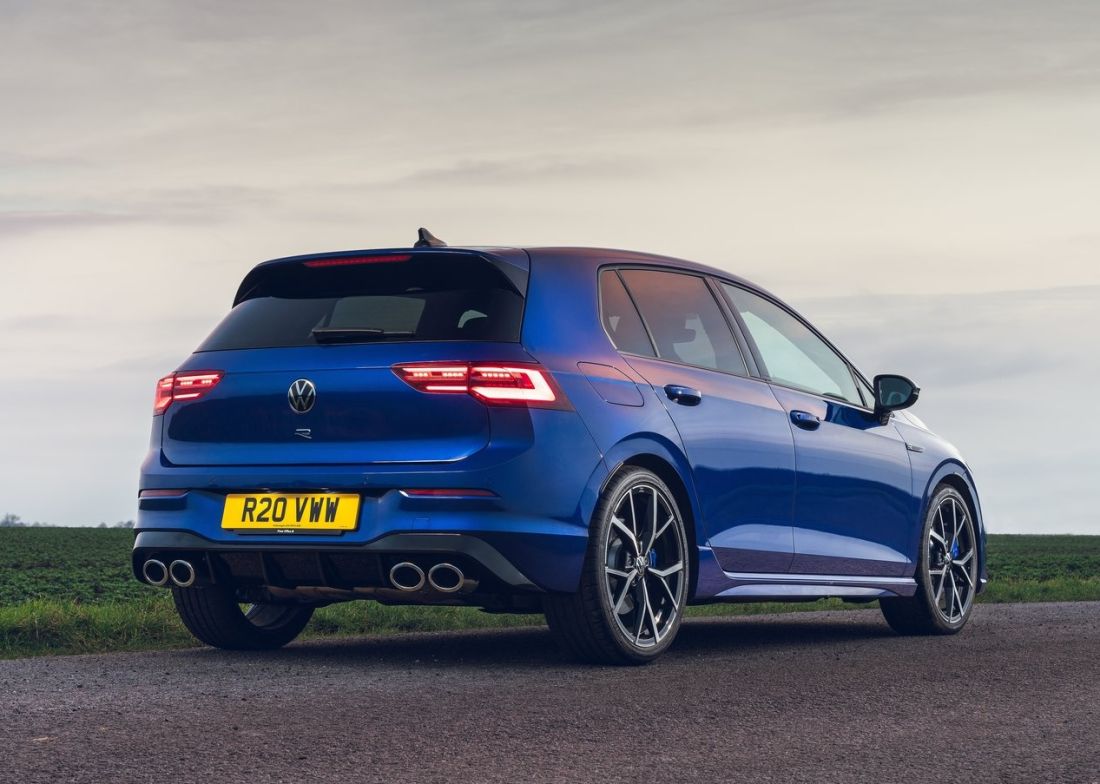
Any vehicle that doesn't require manual clutch operation falls under the broad category of automatic cars. However, there are several different types of automatic vehicles, each with their unique characteristics, which are essential to understand in order to select the one that suits your needs best.
Torque Converters
These are often found in high-end SUVs and provide ultra-smooth, almost silent gear transitions, depending on the driving speed and throttle pressure.
Dual-Clutch Transmission (DCT)
This type of automatic transmission is common in contemporary cars. It uses two clutches to line up multiple gear options, allowing for seamless, rapid gear changes. DCT is a favorite in many high-performance sports cars.
Continuous Variable Transmission (CVT)
CVT, which uses a belt instead of a clutch, is frequently found in hybrid vehicles. It ensures a smooth and economical driving experience. However, CVTs may not sound great when pushed to their limit in performance cars.
Automated Manual Transmission (AMT)
Also known as semi-automatic transmission, AMTs operate the clutch through a computer rather than manually. These are rare in new cars due to their potentially jerky operation.
Intelligent Manual Transmission (IMT)
IMT is essentially a manual gearshift with an automatic clutch. It uses sensors to detect a gear change, thereby engaging the clutch automatically. This type of transmission is ideal for drivers who prefer manual gear selection but without the hassle of operating the clutch.
Driving an Automatic Car: A Step-By-Step Guide
The first step in driving an automatic car is understanding its setup. Unlike manual vehicles, automatic cars typically have only two pedals: the accelerator (on the right) and the brake (on the left). Here's a step-by-step guide on how to operate an automatic car:
- Press the brake pedal before starting the car or changing the gear shifter position. This action signals to the car's Engine Control Unit (ECU) that you are in control.
- Start the car with your foot still on the brake.
- Shift the selector to D (Drive) while keeping your foot on the brake. Slowly release the brake to initiate forward movement and press the accelerator to increase speed.
- If you need to reverse, simply select R (Reverse) instead of Drive.
- Some automatic cars have a manual operation mode. If your car has this feature, select the +/- in D (Drive) to manually control the gears via the steering wheel paddles.
- To prevent the car from rolling away, use the P (Park) option.
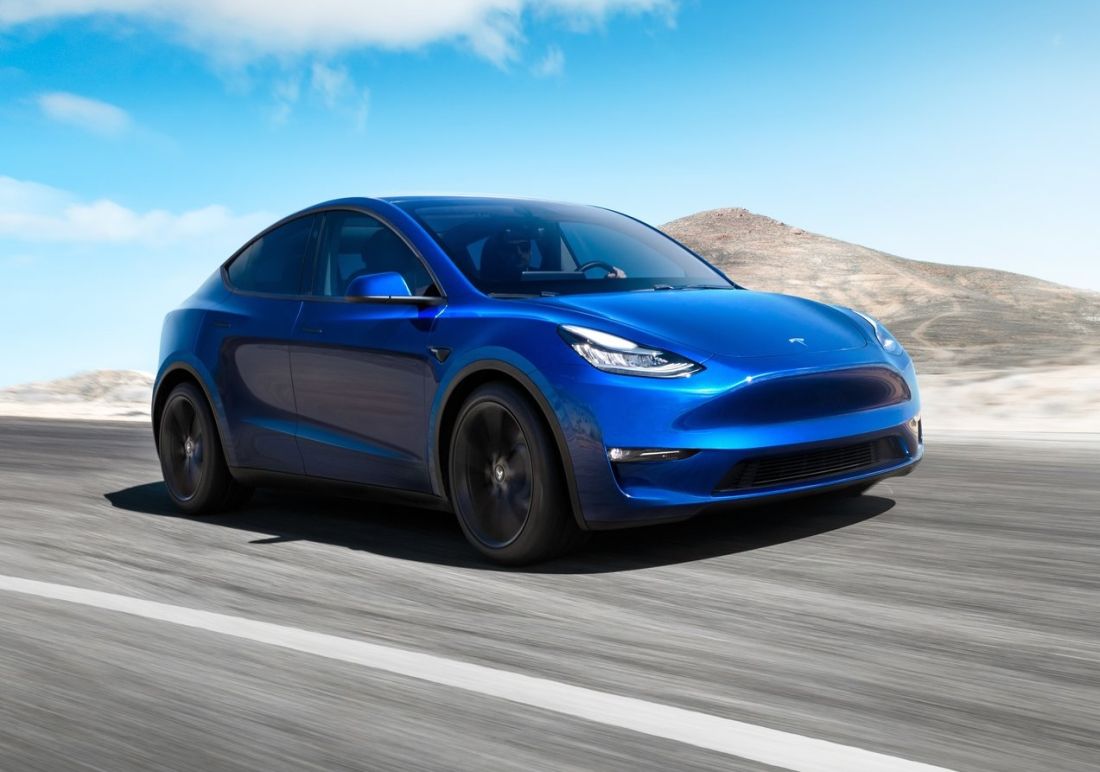
Are All Electric Cars Automatic?
Frequently Asked Questions
What are the benefits of automatic cars?
Automatic cars have several advantages, including:
- Ease of Use: They are simpler to drive, as there's no need to shift gears manually.
- Reduced Stress: Automatic transmission eliminates the need to constantly engage the clutch, making city driving less tiring.
- Smooth Transitions: Automatic transmissions provide smooth gear changes, enhancing comfort and reducing wear and tear on the vehicle.
What are the downsides of automatic cars?
Some disadvantages of automatic cars include:
- Reduced Control: Automatics may not provide the same level of control as manual transmissions.
- Lower Fuel Efficiency: In the past, automatics were less fuel-efficient, but modern ones are catching up.
- Higher Initial Cost: Automatic transmissions can be more expensive to purchase and maintain.
Are automatic cars more expensive to purchase?
Cost of Automatic Cars: Automatic cars are typically more expensive to purchase than their manual counterparts due to the additional complexity of the transmission system.
Are automatic cars more fuel-efficient?
Fuel Efficiency in Automatic Cars: In the past, automatic transmissions were less fuel-efficient, but advances in technology have made modern automatics more competitive in terms of fuel efficiency. Some automatic cars now have similar or even better fuel economy compared to manual ones, depending on the make and model.
Can I legally drive an automatic car with a manual licence?
Driving an Automatic Car with a Manual Licence: In the UK, if you passed your driving test in a car with an automatic transmission, your driving licence will only be valid for automatic cars. If you want to drive a manual car, you'll need to take and pass the practical driving test in a manual vehicle to obtain a full manual licence. However, if you passed your test in a manual car, you can drive both manual and automatic cars with your licence.
Wrapping Up
Automatic cars have gained immense popularity due to their advanced technology, ease of use, smooth performance, and enhanced driving capabilities. Understanding how to operate these vehicles can significantly enhance your driving experience. Whether you're considering buying an automatic car or simply curious about their operation, this guide offers comprehensive insights into automatic cars' workings.