
The Fascinating World of Concept Cars: Unleashing the Future of Automotive Design
Concept cars have always captivated the imagination of automotive enthusiasts and the general public alike. These visionary vehicles represent the future of automotive design, pushing the boundaries of innovation and technology. They showcase the creative imaginations of car manufacturers and provide a glimpse into what driving could be like in the years to come. In this article, we will delve into the world of concept cars, exploring their definition, evolution, significance, and some of the most notable examples throughout history.
What Is a Concept Car?
At its core, a concept car is a manifestation of a car manufacturer's vision for the future. It serves as a blueprint or a design study, showcasing innovative ideas and technologies that may or may not make it into production. Concept cars are often characterized by their avant-garde styling, futuristic features, and cutting-edge technologies. They represent a manufacturer's exploration of possibilities and serve as a platform to gauge public interest and gather feedback.
While some concept cars are purely conceptual, existing only as physical models or computer-generated designs, others are functional prototypes with drivetrains and interiors. These functional concept cars allow manufacturers to test new technologies and gather data for future production vehicles.
The Evolution of Concept Cars
Concept cars have come a long way since their humble beginnings. In the early days of the automotive industry, concept cars were often limited to wooden structures or sheet-metal models that lacked practical functionality. However, with advancements in technology and design capabilities, concept cars have evolved into highly sophisticated and visually captivating creations.
Today, concept cars are meticulously designed using advanced computing power and digital tools. Manufacturers can simulate every aspect of a vehicle's design, from its aerodynamics to its interior layout, before the production process even begins. This level of detail allows designers to create concept cars that are more visually stunning and technologically advanced than ever before.
Concept Car vs Prototype: Understanding the Difference
Although the terms "concept car" and "prototype" are often used interchangeably, they have distinct meanings in the automotive world. A concept car is the initial stage of a vehicle's development, where designers explore new ideas and showcase their vision. If a concept car gains enough traction and positive feedback, it may progress to the prototype stage.
Prototypes, on the other hand, are fully functional vehicles that undergo rigorous testing to assess their performance, durability, and feasibility for production. Prototypes allow manufacturers to fine-tune their designs and iron out any technical issues before mass production begins. They serve as a crucial step in the development process, ensuring that the final product meets the necessary standards.
The Purpose and Significance of Concept Cars
Concept cars serve a multitude of purposes for car manufacturers. They are not just flashy showpieces but play a vital role in shaping the future of the automotive industry. Here are some key reasons why concept cars are significant:
1. Design Exploration and Innovation
Concept cars allow designers to push the boundaries of creativity and explore new design languages. They provide a platform to experiment with unconventional shapes, materials, and technologies that may not be feasible in current production vehicles. By showcasing bold and innovative designs, concept cars inspire future production models and drive design trends.
2. Market Research and Feedback
Concept cars are valuable tools for market research and gathering feedback from the public. Manufacturers use concept cars to gauge public interest, assess the reception to new design elements, and understand consumer preferences. This feedback informs decision-making processes for future production models and helps manufacturers align their designs with consumer expectations.
3. Technological Advancements
Concept cars often incorporate cutting-edge technologies and serve as testbeds for new innovations. Manufacturers use these vehicles to showcase their technical capabilities and explore advancements in areas such as electric propulsion, autonomous driving, connectivity, and sustainability. The knowledge gained from concept cars influences the development of future production models, ensuring that manufacturers stay at the forefront of technological advancements.
4. Brand Image and Publicity
Concept cars generate significant media attention and create buzz around a brand. They showcase a manufacturer's commitment to innovation, design excellence, and forward-thinking. Concept cars provide an opportunity for manufacturers to elevate their brand image, attract new customers, and reinforce their position as industry leaders.
The Fascinating World of Concept Cars: Noteworthy Examples
Over the years, numerous concept cars have captivated audiences with their striking designs and futuristic features. Let's explore some of the most notable examples from different eras:
1. 1938 Buick Y-Job
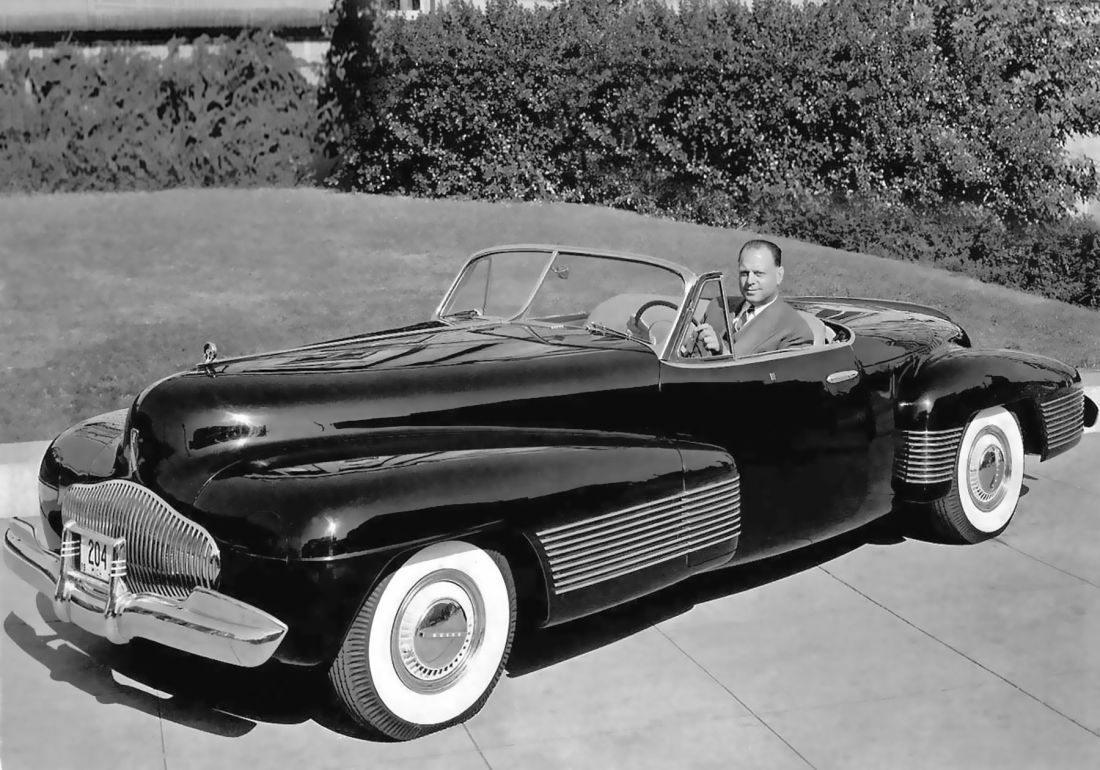
The 1938 Buick Y-Job holds the distinction of being the first concept car ever created. Designed by General Motors' Harley Earl, it showcased several groundbreaking features for its time, including concealed headlights, recessed door handles, and a streamlined design. The Y-Job set the stage for future concept cars, demonstrating the potential for innovative design and forward-thinking automotive engineering.
2. 1957 Ford Nucleon
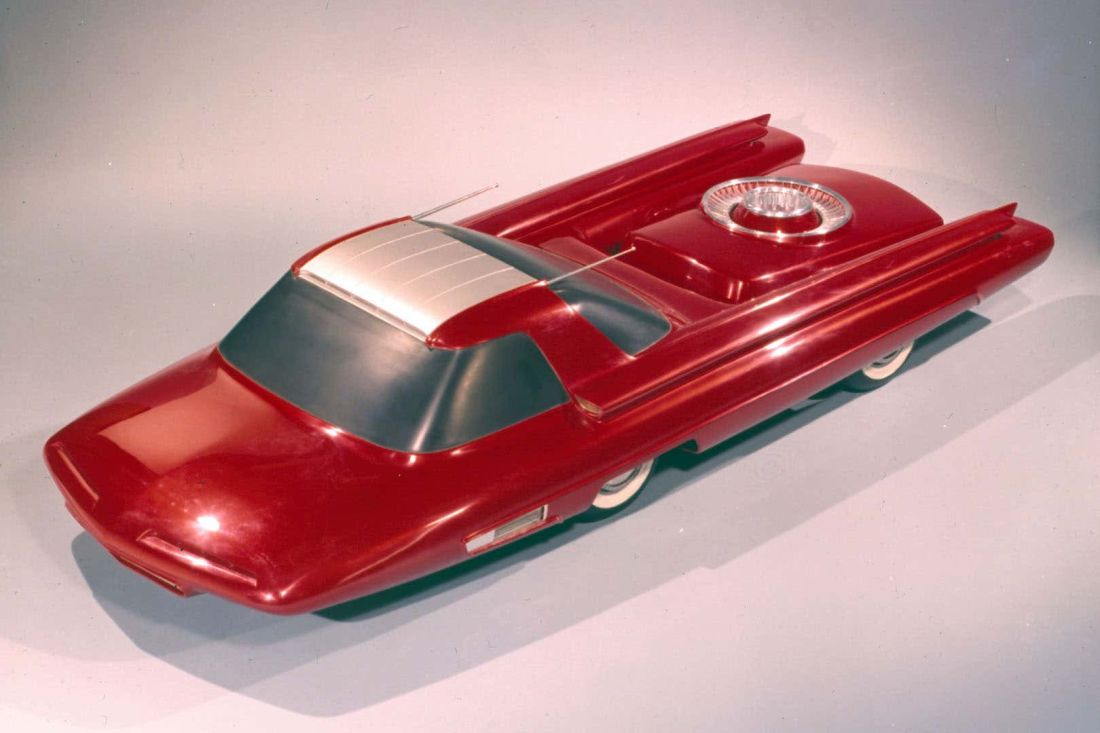
In the midst of the Cold War and the dawn of the nuclear age, Ford introduced the Nucleon concept car. It envisioned a future where cars were powered by compact nuclear reactors. While the concept was ambitious, the technology to realize it was still far from practical. The Nucleon remains an intriguing example of how concept cars can reflect the aspirations and zeitgeist of their time.
3. 1970 Ferrari Modulo
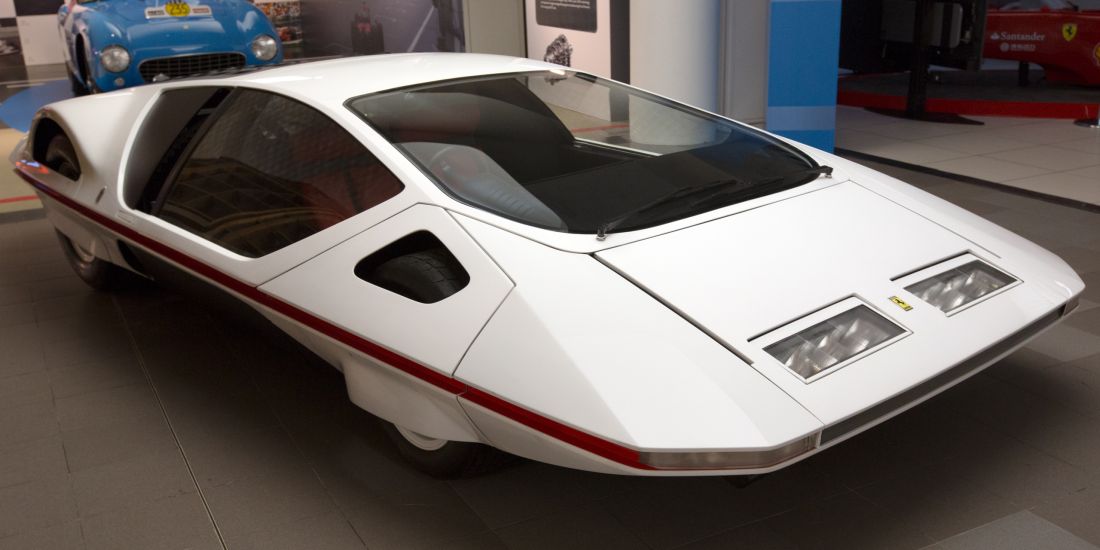
The 1970 Ferrari Modulo, designed by Pininfarina, epitomizes the bold and futuristic aesthetic of concept cars from the era. Its wedge-shaped design and sleek lines were ahead of their time, setting the stage for the angular supercar designs that would dominate the following decades. While the Modulo never went into production, its design and influence can be seen in subsequent Ferrari models.
4. 1980 Aston Martin Bulldog
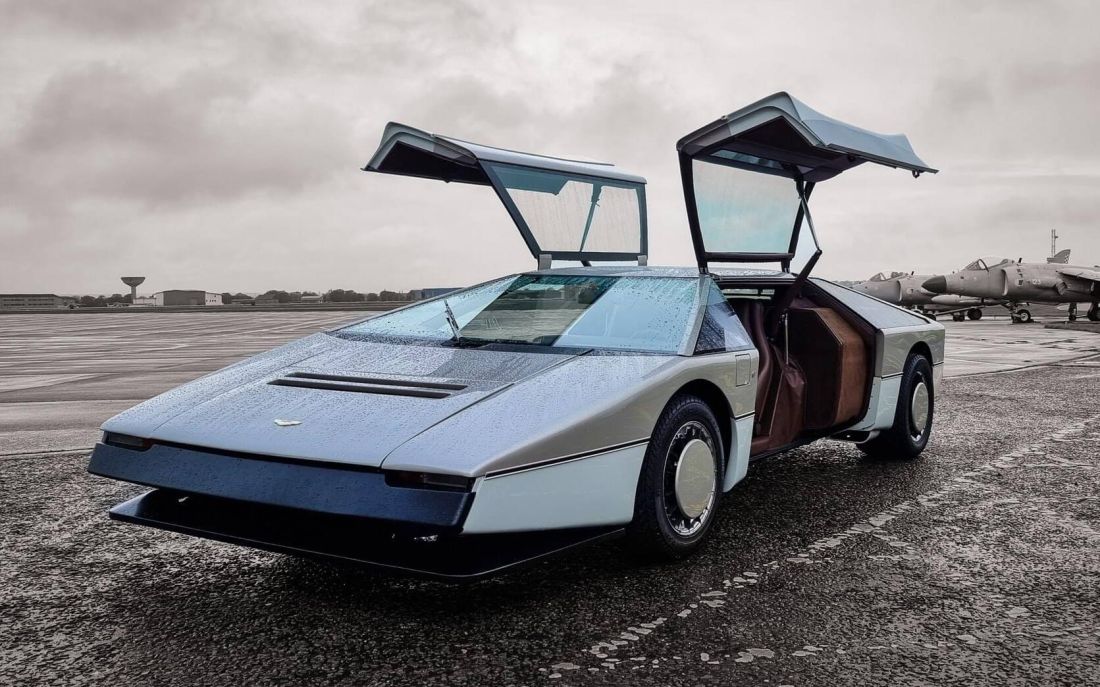
The Aston Martin Bulldog concept car exemplifies the fascination with wedge-shaped supercars prevalent in the 1980s. Its striking angular design, gullwing doors, and powerful V8 engine made it an instant icon. However, due to economic constraints and technical challenges, the Bulldog remained a concept, forever etching itself in automotive history as a symbol of the era's design aspirations.
5. 2012 Peugeot Onyx

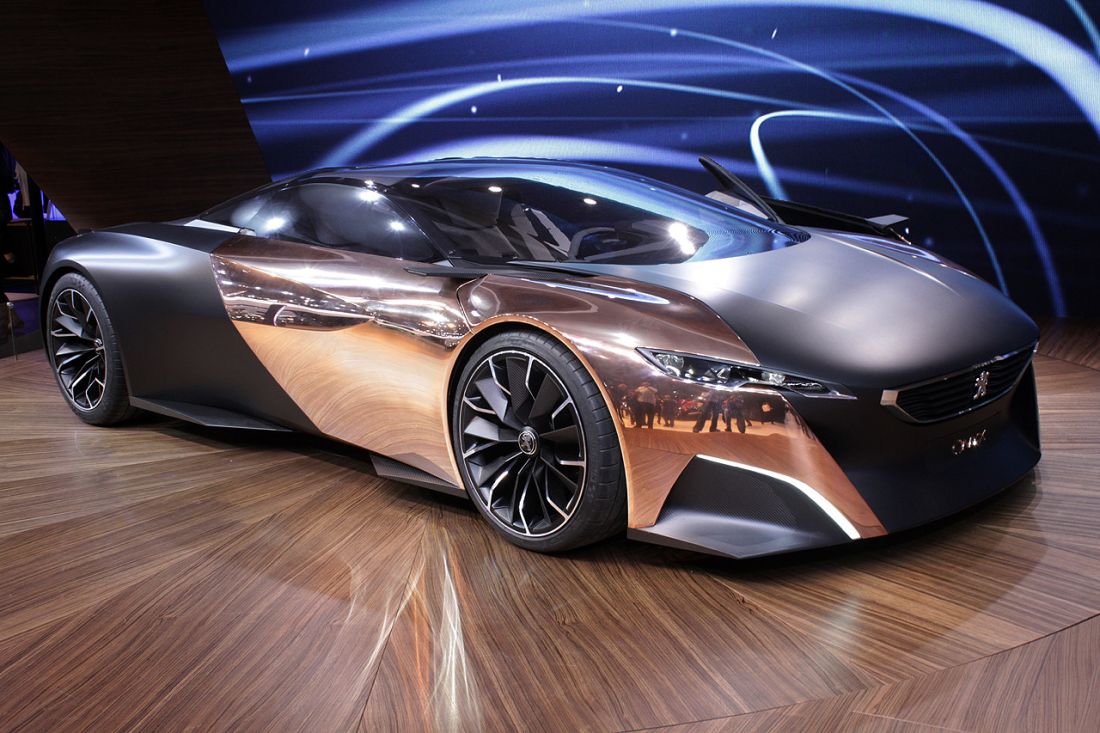
The Peugeot Onyx showcased the French manufacturer's commitment to sustainability and innovative materials. Its unique copper bodywork, made from recycled materials, combined with a hybrid powertrain, demonstrated Peugeot's dedication to eco-friendly technologies. While the Onyx remained a concept, its design and technological advancements influenced future Peugeot production models.
Conclusion
Concept cars are not just fancy showpieces but serve as a driving force behind automotive innovation and design. They represent the future of the industry, showcasing bold ideas, advanced technologies, and striking aesthetics. Concept cars enable car manufacturers to explore new design languages, gather valuable feedback, and push the boundaries of what is possible. As we look back at the rich history of concept cars and their impact on the automotive landscape, it becomes clear that these visionary vehicles are essential for shaping the future of mobility. So, let your imagination run wild as you dream about the concept cars that will revolutionize the roads of tomorrow.