
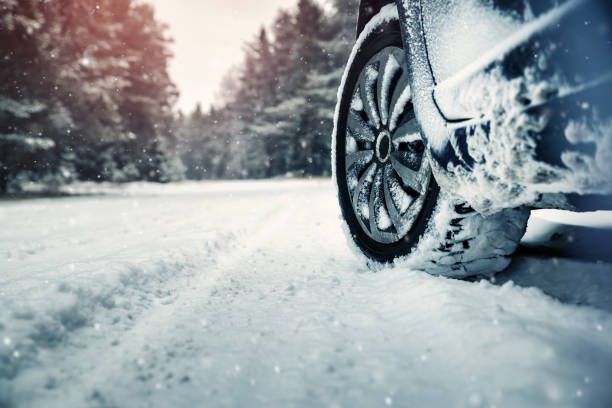
Winter Is Coming: Getting Your Car Ready for Cold Weather
As the days get shorter and the temperatures drop, it's time to prepare your car for the challenges of winter driving. Snow, ice, and cold weather can be tough on your vehicle, but with some proactive steps and regular maintenance, you can ensure a safe and smooth ride during the winter season. In this blog, we'll guide you through the essential steps to get your car ready for winter.
1. Tires: The Foundation of Winter Safety
One of the most critical aspects of winter preparedness is your tires. Consider switching to winter or all-season tires. These tires have deeper treads that provide better traction on snow and ice. Ensure they are properly inflated, as cold weather can reduce tire pressure. It's also a good time to check your spare tire and make sure it's in good condition.
2. Battery Check
Cold weather can be tough on your car's battery. Have your battery tested to ensure it's in good condition and can handle the extra load of cold weather starts. If your battery is several years old, it might be a wise investment to replace it before it fails during a winter morning.
3. Fluids Matter
Maintain the essential fluids in your vehicle:
- **Antifreeze/Coolant**: Make sure your antifreeze is at the proper concentration to prevent freezing. A 50/50 mix of antifreeze and water is generally recommended.
- **Oil**: Use the appropriate oil for colder temperatures. A lower-viscosity oil flows more easily in cold weather.
- **Windshield Washer Fluid**: Replace your regular washer fluid with one designed for freezing temperatures. This will help keep your windshield clean and prevent it from icing over.
4. Lights and Visibility
Check all your exterior lights – headlights, taillights, brake lights, and turn signals. Ensure they are in good working order. Also, clean your windows and mirrors to maintain optimal visibility.
5. Heating and Defrosting System
Test your car's heating and defrosting systems. You don't want to discover a heating issue during the first snowfall. If you experience problems with your defroster, it can seriously affect visibility, making driving dangerous.
6. Emergency Kit
Assemble a winter emergency kit to keep in your car. It should include items like:
- Blankets or warm clothing
- Non-perishable snacks and water
- A flashlight and extra batteries
- Ice scraper and snowbrush
- Jumper cables
- First aid kit
- Shovel
- Road flares or reflective triangles
7. Wiper Blades and Washer Fluid
Replace old wiper blades, as they might not perform well in snowy conditions. Consider using winter-specific wiper blades that are more effective at clearing snow and ice. Ensure your washer fluid is suitable for winter conditions and won't freeze on your windshield.
8. Drive Carefully and Prepare for Emergencies
Lastly, be prepared for winter driving conditions by slowing down, maintaining a safe following distance, and avoiding sudden movements. Keep a full gas tank and be aware of the weather forecast. If road conditions deteriorate, consider delaying your trip or using public transportation when possible.
Conclusion
Getting your car ready for winter is not just a matter of convenience but one of safety. By taking the time to prepare your vehicle and adopting cautious driving habits, you can navigate through the winter months with confidence, ensuring a safer and more comfortable experience on the road, no matter how cold it gets outside. Remember, winter preparedness can be a lifesaver when it counts the most.